

guide
Drug Supply Chain Security Act: Package Tracing & EPCIS
The US Drug Supply Chain Security Act requires package-level electronic tracing, authorized trading partners, and quarantine of suspect prescription drugs.
Guides to health systems, medicine supply and pharmaceutical packaging, with references to public-health research and applicable technical requirements.
guide
The US Drug Supply Chain Security Act requires package-level electronic tracing, authorized trading partners, and quarantine of suspect prescription drugs.

guide
Compare chemical cold chain indicators, USB data loggers, and glycol-buffered probes with MKT excursion rules and passive packaging validation.

guide
Compare folding-carton void and fiber-tear closure labels, bottle neck shrink bands, and film overwrap across opening evidence and cold-chain adhesion.

guide
Compare automatic cartoning machine motion, cam indexing, leaflet timing and changeover. Use the selection checklist to prepare a pharmaceutical cartoner trial.

guide
Compare vacuum decay leak testing with dye penetration, examine bottle and blister applications, and plan product-specific integrity validation.
guide
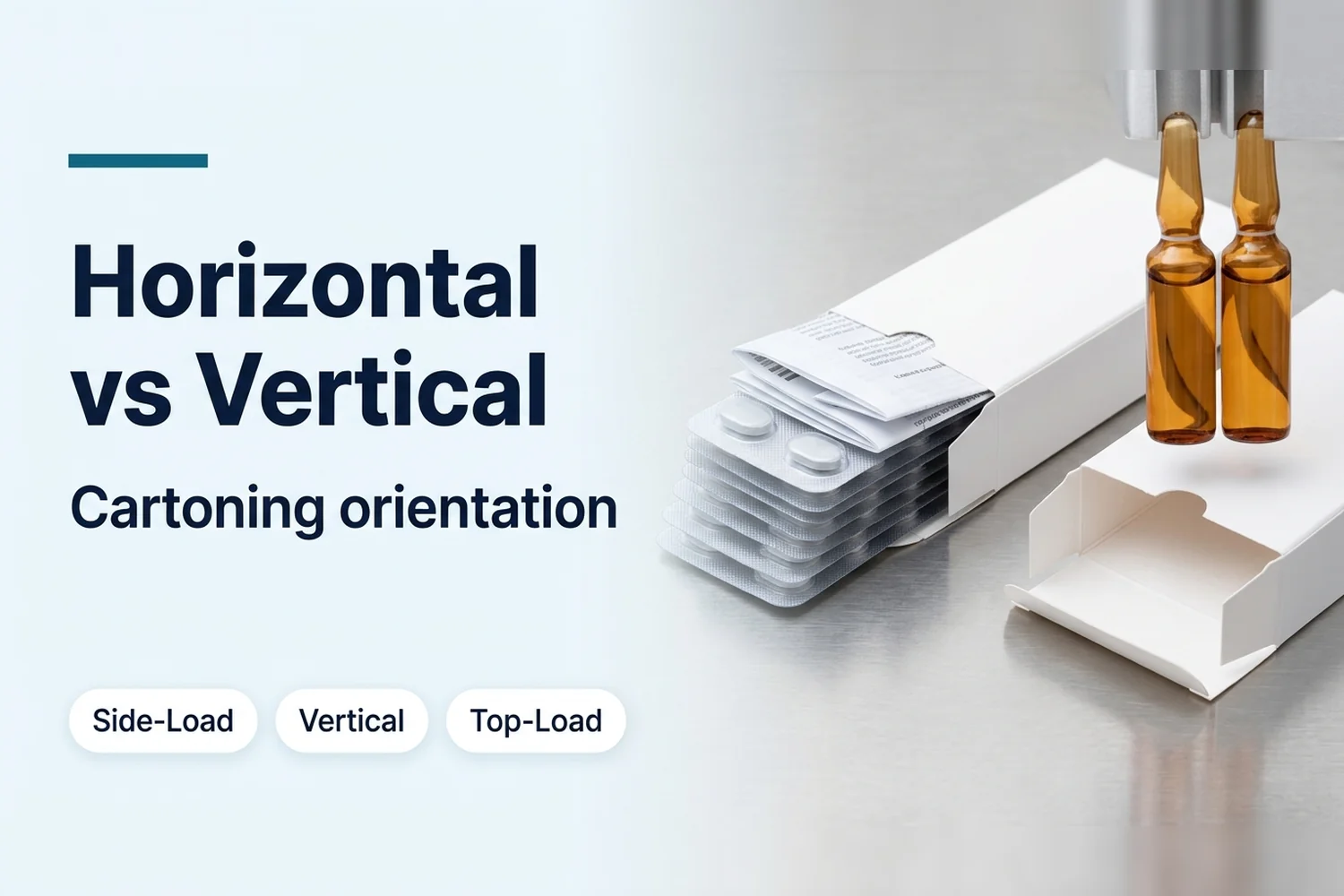
Compare horizontal, vertical and top-load pharmaceutical cartoning machines by container center-of-gravity stability, leaflet U-wrap path and flap closure.
guide
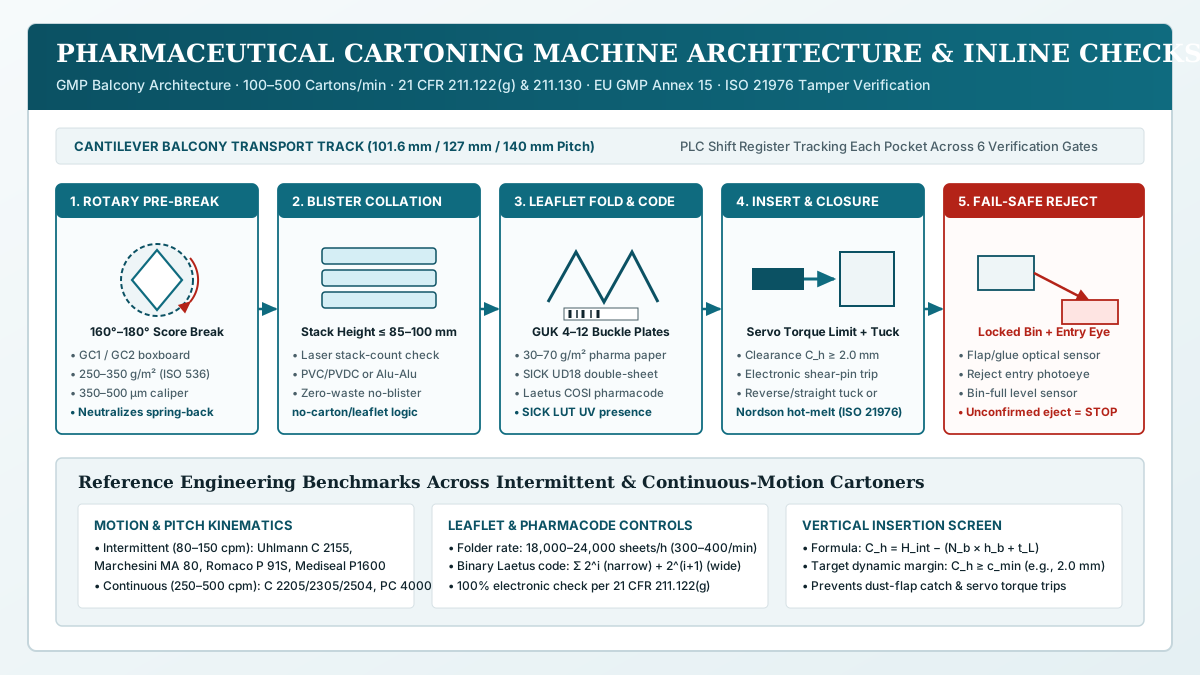
Specify a pharmaceutical cartoning machine across intermittent and continuous motion, inline leaflet folding, pharmacode scanning, boxboard pre-breaking, and fail-safe reject verification.
guide
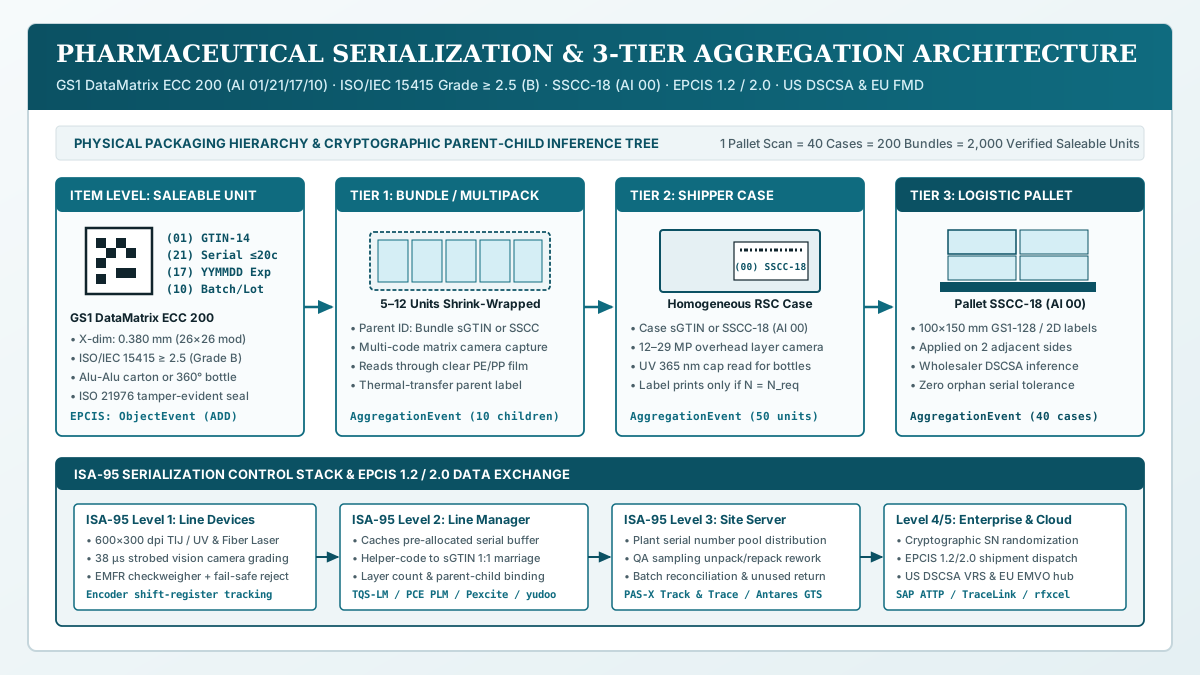
Specify pharmaceutical serialization and 3-tier aggregation across GS1 DataMatrix ECC 200 grading, SSCC parent-child EPCIS hierarchies, Alu-Alu blister cartons, and 360-degree bottle filling lines.

guide
How the NDC barcode, lot number and expiration date stay on a hospital blister cell after that cell is torn off the card.
guide
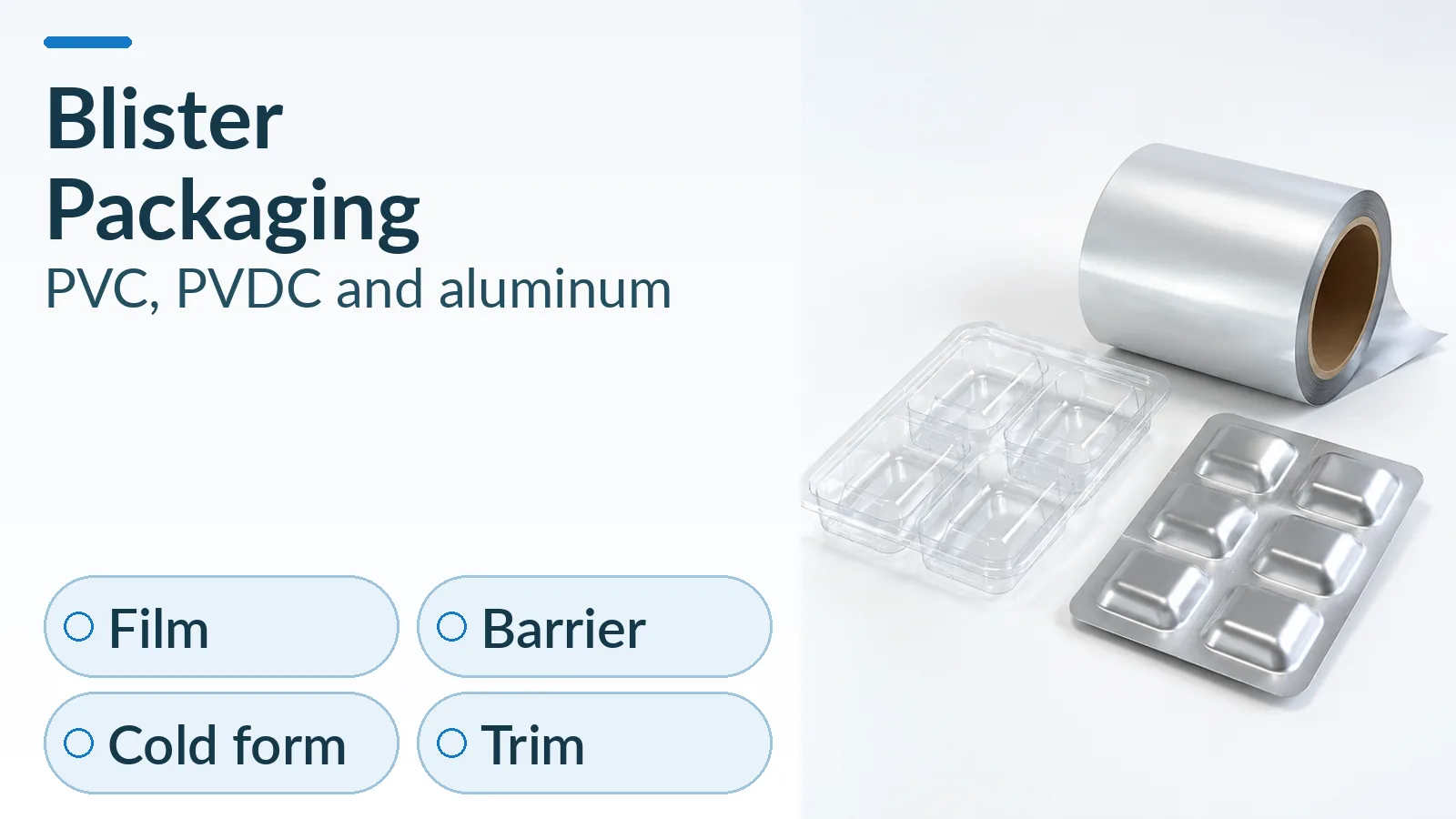
Compare PVC, PVDC-coated film and cold-form aluminum for blister packaging, with barrier conditions, failure checks and a material-use calculation.

guide
Compare capsule vs tablet feeding, pocket filling and blister forming, with failure checks and a pocket-clearance screening calculation.

analysis
How governance, financing, procurement and service delivery interact, with practical questions for tracing a health-system problem.
analysis
WHO coverage and financial-hardship figures, plus a practical framework for assessing whether medicines can reach the people who need them.

guide
The responsibilities and records connecting manufacture, quality release, storage, distribution and dispensing of medicines.

guide
Distinguish product-contact primary packs, secondary cartons and leaflets, and tertiary transport packaging across inspection and defect records.
analysis
How pack identity, closure integrity, labeling and order matching affect medicine release, receipt and dispensing.
comparison
Compare unit-dose blister cards and multi-dose bottles across dose access, container-closure components, labeling and production interfaces.
guide
Follow carton forming, product and leaflet insertion, coding, closure and reject handling, with checks tied to the approved pack configuration.
comparison
Compare sachets and stick packs by geometry, dose handling, seal controls, readable labeling and the output units used in equipment proposals.
guide
How film around a finished carton supports handling and opening features, and which checks establish its suitability for the intended pack.
guide
Connect product specifications, pack formats, required output in good packs per minute, inline inspection checks and line interfaces before selecting equipment.

resource
Definitions of packaging layers, blister and bottle formats, cartoning, overwrap, URS and equipment qualification terms.
resource
A downloadable user requirements checklist covering product, pack, output units, inspection, reject handling, utilities and acceptance evidence.