
guide
Optical Character Verification: Lot/Expiry Checks vs OCR
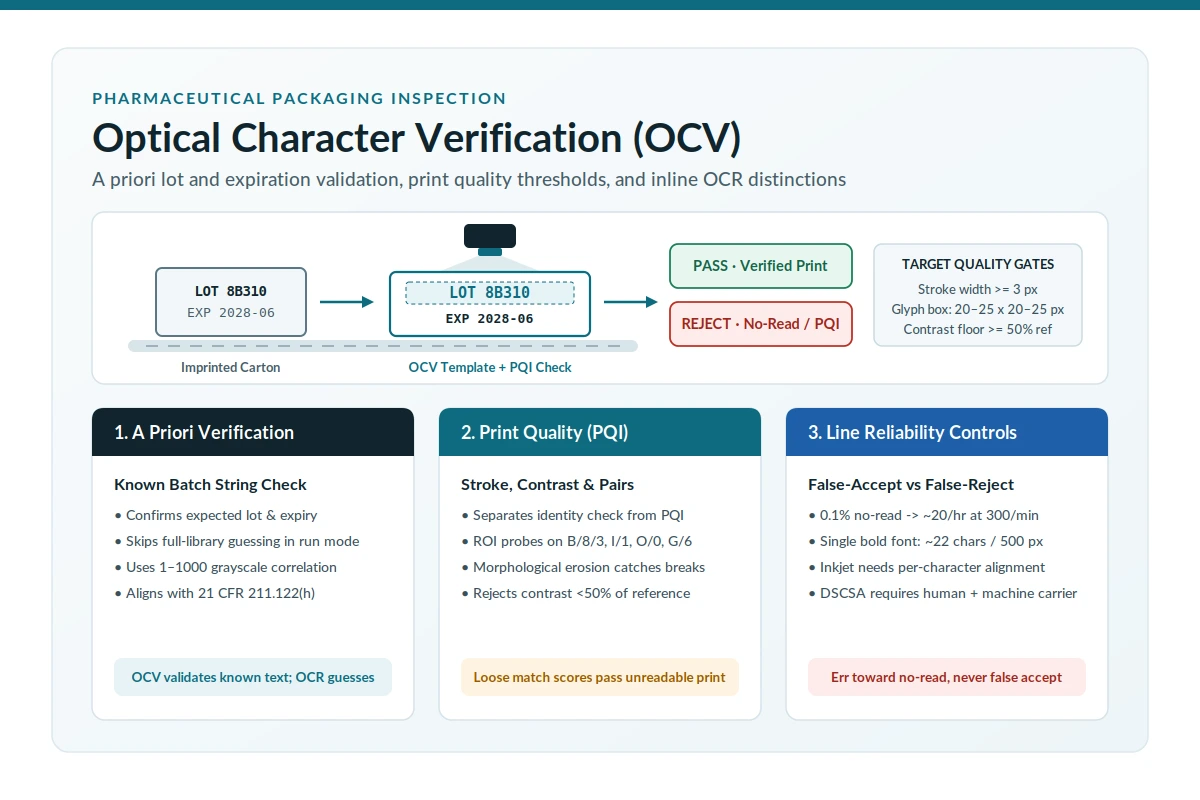
Optical character verification (OCV) validates known lot and expiration strings against print quality thresholds, preventing OCR misreads and false rejects.
Section
Medicine pack formats, packaging-line controls and the requirements used to specify and qualify equipment.

Compare primary packs, carton operations and overwrap functions, then turn the chosen configuration into measurable requirements.
Primary, secondary and tertiary packaging distinguishes product-contact components, outer packs and transport packaging. Blister and bottle packaging compares dose presentation, opening, protection and handling requirements. Pharmaceutical cartoning follows component checks, insertion, coding, closure and reject handling. Horizontal vs vertical cartoning machines compares side-load, upright end-load and top-load architectures across vial stability, leaflet trajectory and flap closure. Cartoning machine leaflet, pharmacode and tuck checks specifies inline leaflet folding, 6-gate electronic verification, score pre-breaking and fail-safe reject controls. Sachet and stick pack compares pack geometry, filling, sealing and opening requirements. Pharmaceutical overwrapping explains the functions and qualification checks for film around cartons. Packaging line selection connects required output, pack formats, line interfaces and acceptance tests.
guide
Optical character verification (OCV) validates known lot and expiration strings against print quality thresholds, preventing OCR misreads and false rejects.
guide
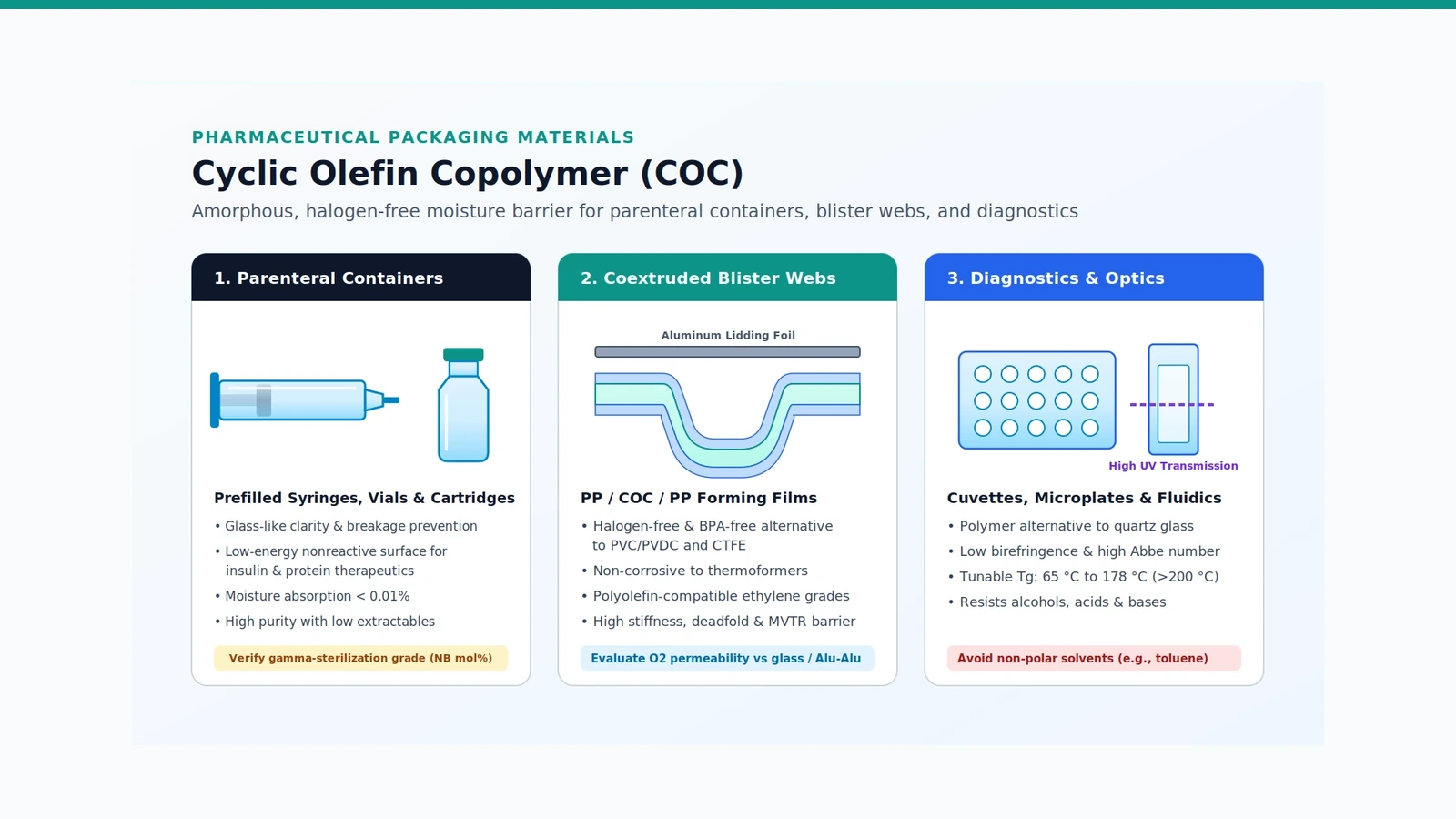
Cyclic olefin copolymer (COC) delivers glass-like clarity, <0.01% moisture absorption, and PP/COC/PP blister barriers, with key gamma and solvent limits.
guide
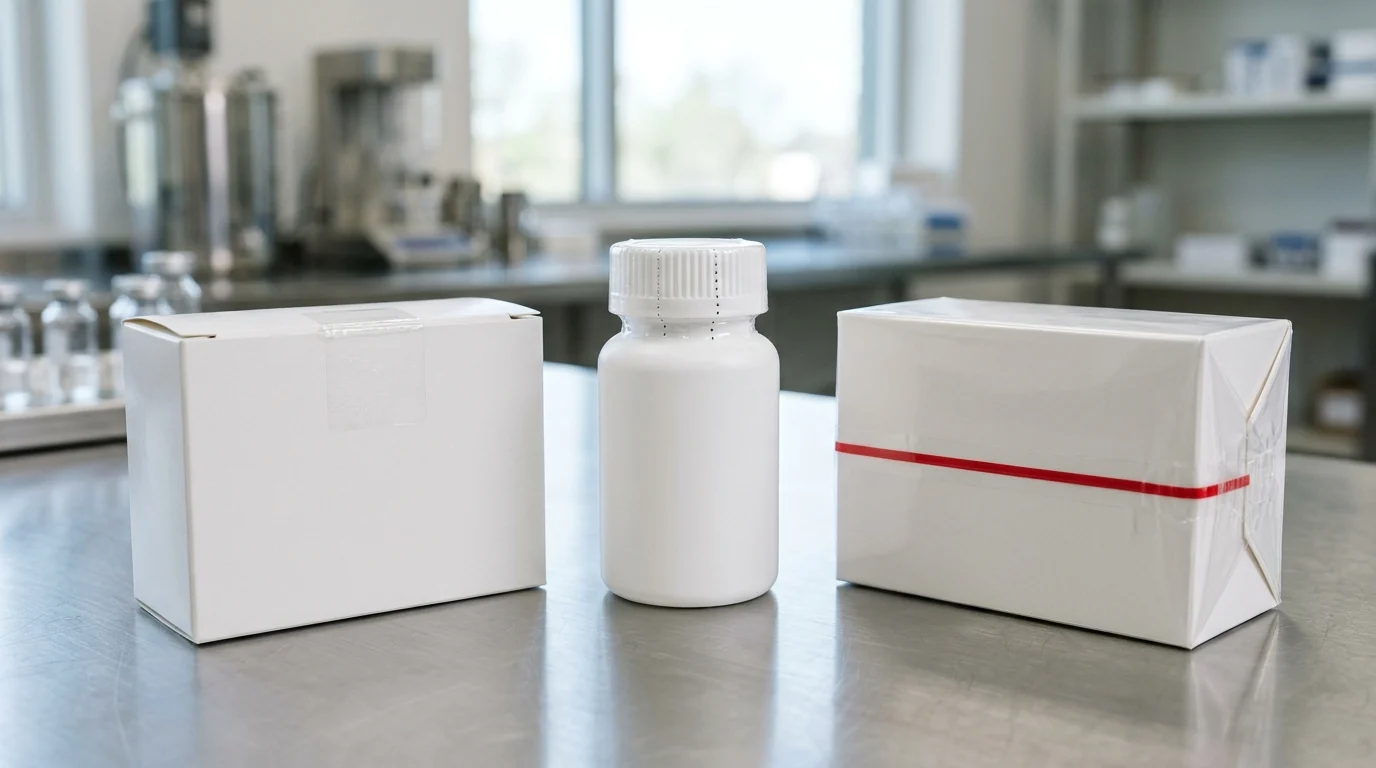
Compare folding-carton void and fiber-tear closure labels, bottle neck shrink bands, and film overwrap across opening evidence and cold-chain adhesion.

guide
Compare automatic cartoning machine motion, cam indexing, leaflet timing and changeover. Use the selection checklist to prepare a pharmaceutical cartoner trial.

guide
Compare vacuum decay leak testing with dye penetration, examine bottle and blister applications, and plan product-specific integrity validation.
guide
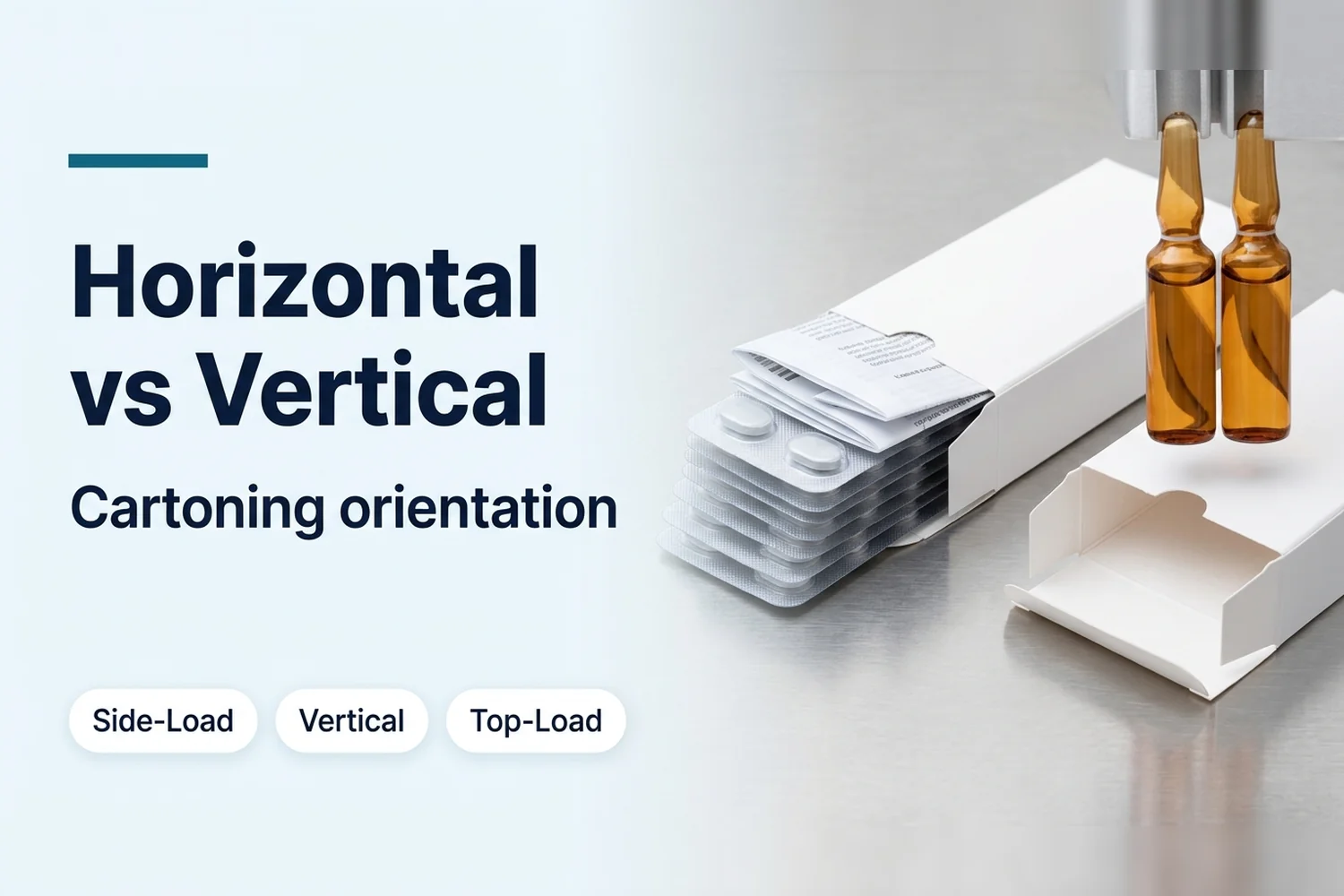
Compare horizontal, vertical and top-load pharmaceutical cartoning machines by container center-of-gravity stability, leaflet U-wrap path and flap closure.
guide
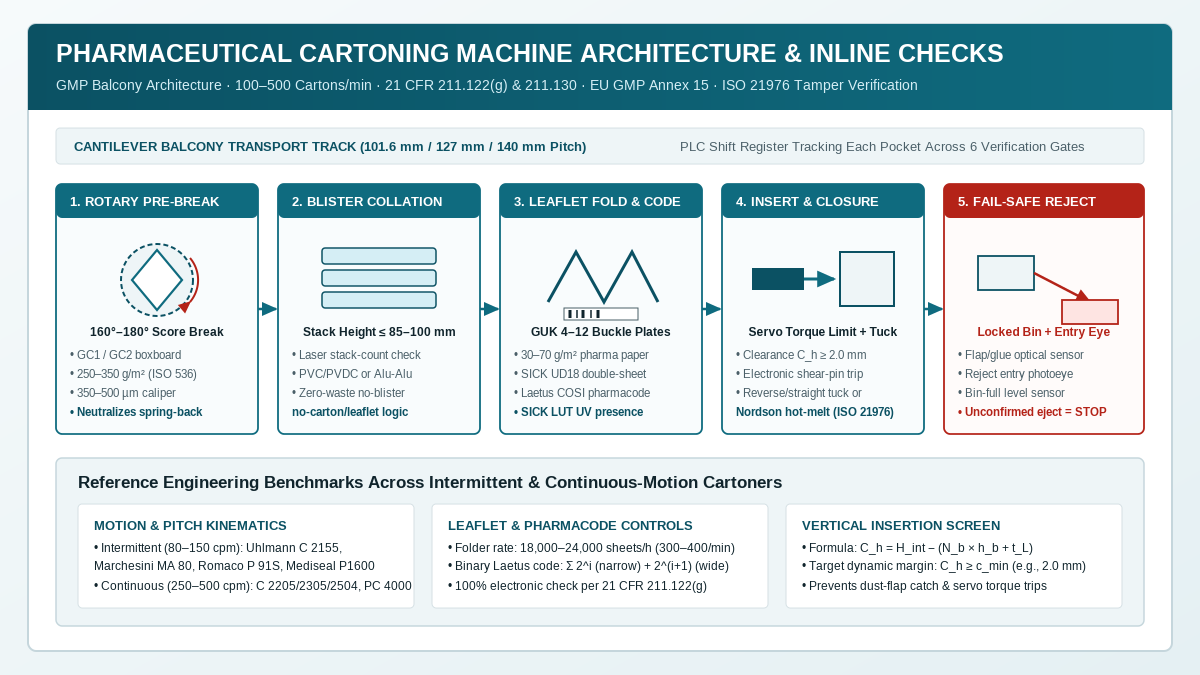
Specify a pharmaceutical cartoning machine across intermittent and continuous motion, inline leaflet folding, pharmacode scanning, boxboard pre-breaking, and fail-safe reject verification.
guide
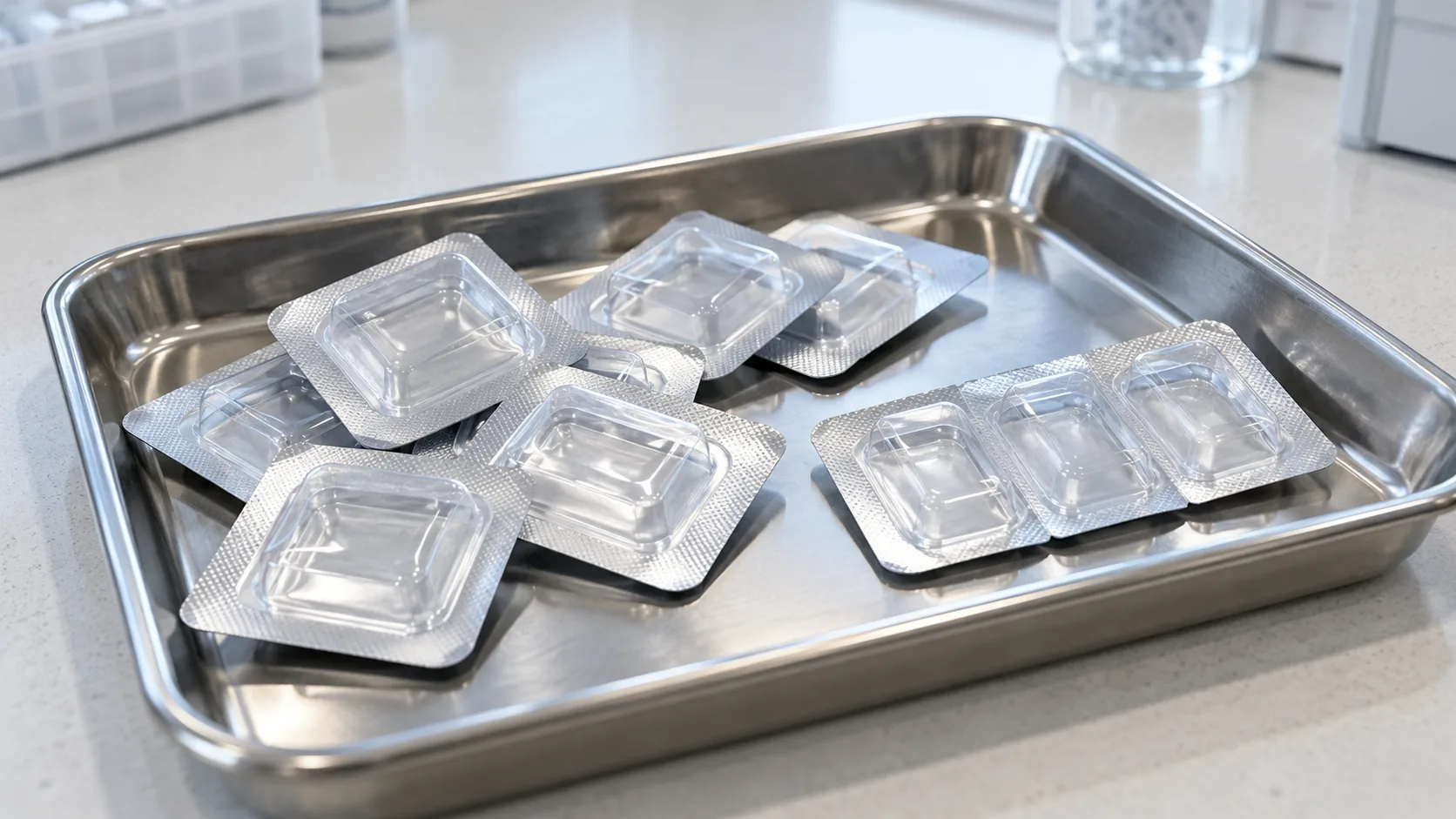
How the NDC barcode, lot number and expiration date stay on a hospital blister cell after that cell is torn off the card.
guide
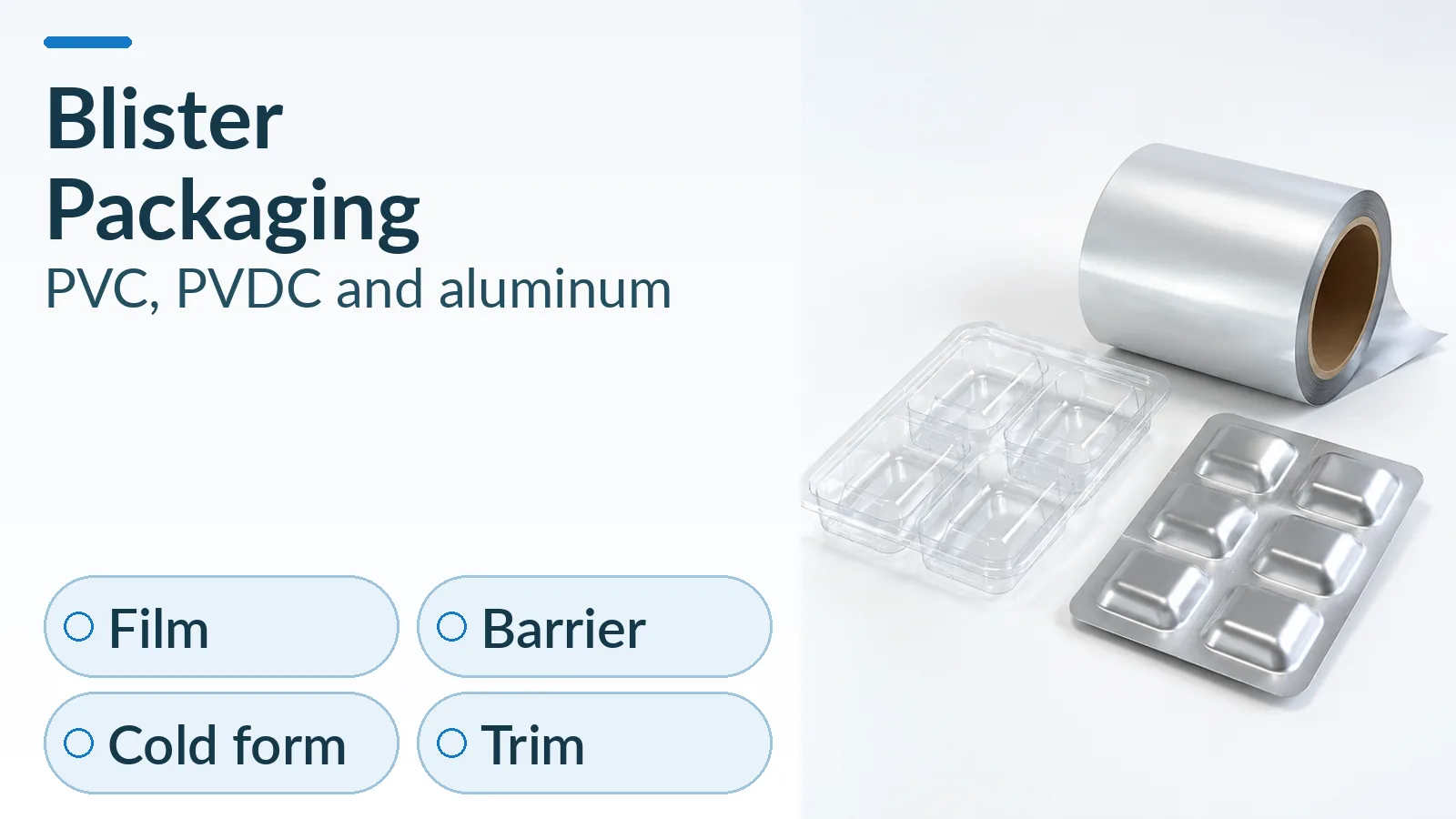
Compare PVC, PVDC-coated film and cold-form aluminum for blister packaging, with barrier conditions, failure checks and a material-use calculation.

guide
Compare capsule vs tablet feeding, pocket filling and blister forming, with failure checks and a pocket-clearance screening calculation.
guide
Distinguish product-contact primary packs, secondary cartons and leaflets, and tertiary transport packaging across inspection and defect records.
comparison
Compare unit-dose blister cards and multi-dose bottles across dose access, container-closure components, labeling and production interfaces.
guide
Follow carton forming, product and leaflet insertion, coding, closure and reject handling, with checks tied to the approved pack configuration.
comparison
Compare sachets and stick packs by geometry, dose handling, seal controls, readable labeling and the output units used in equipment proposals.
guide
How film around a finished carton supports handling and opening features, and which checks establish its suitability for the intended pack.
guide
Connect product specifications, pack formats, required output in good packs per minute, inline inspection checks and line interfaces before selecting equipment.