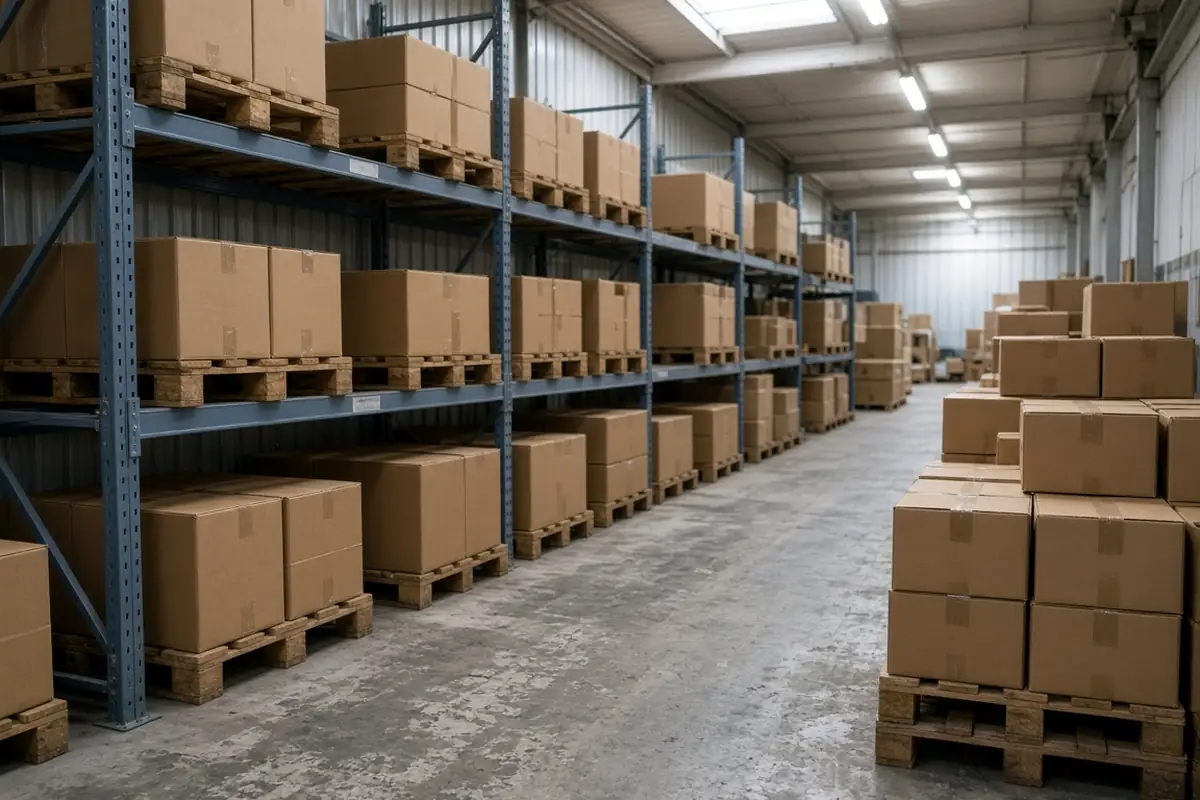
Blaming a medicine shortage on packaging fails when the recorded problem is price, regulation or product quality. The waste is a redesign of a carton that was never the constraint, while the constraint remains.
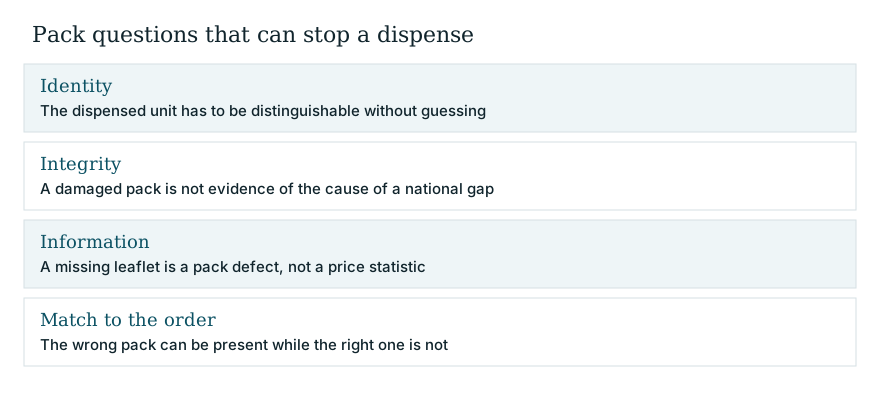
Packaging affects availability when the pack that arrives cannot be identified, kept intact, or matched to the order. That is a narrower claim than “packaging causes shortages”. The WHO pages read for this article do not make the wider claim.
What a pack can block
A dispenser can have stock in the building and still be unable to issue it if the unit is not identifiable, the closure is damaged, the leaflet required for that product is missing, or the pack does not match the order. Those are pack defects. They are observed on a unit or a lot. They are not a percentage of global unavailability.
What WHO named instead
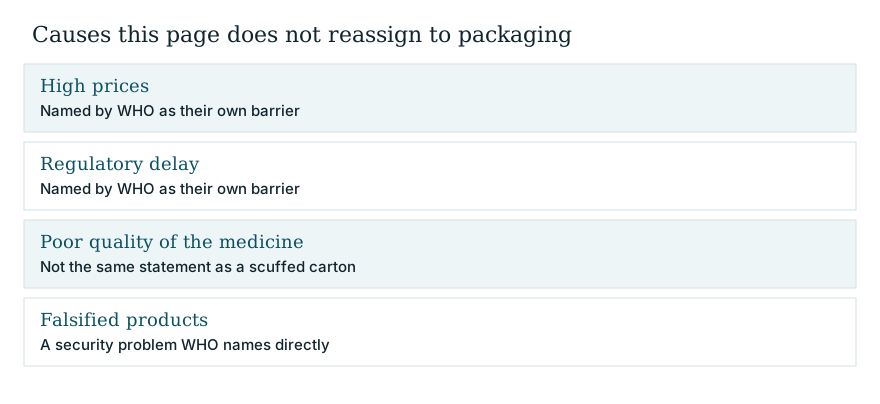
The access page read on 14 October 2026 names shortages of essential medicines, especially for noncommunicable diseases, and substandard and falsified products in supply chains. The medicines page names regulatory delay, high prices, misuse, and poor or unreliable quality. This page does not move those sentences onto a carton.
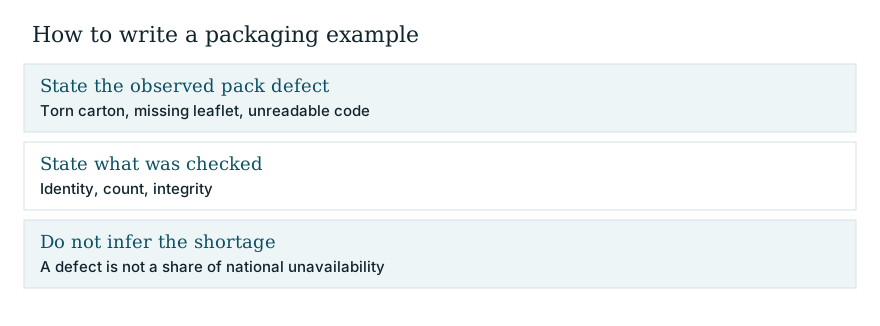
A case note, if one is written later, should state the pack defect and the check that found it. It should not convert that note into a cause of the coverage figures on Access to medicines.
The role sequence sits on How a medicine supply chain is organised. Pack layers are defined, as working labels only, on Primary, secondary and tertiary packaging.
How this page was put together
The boundary is editorial: packaging defects are described as local pack facts, and the WHO barrier list is left intact. No shortage percentage was calculated.