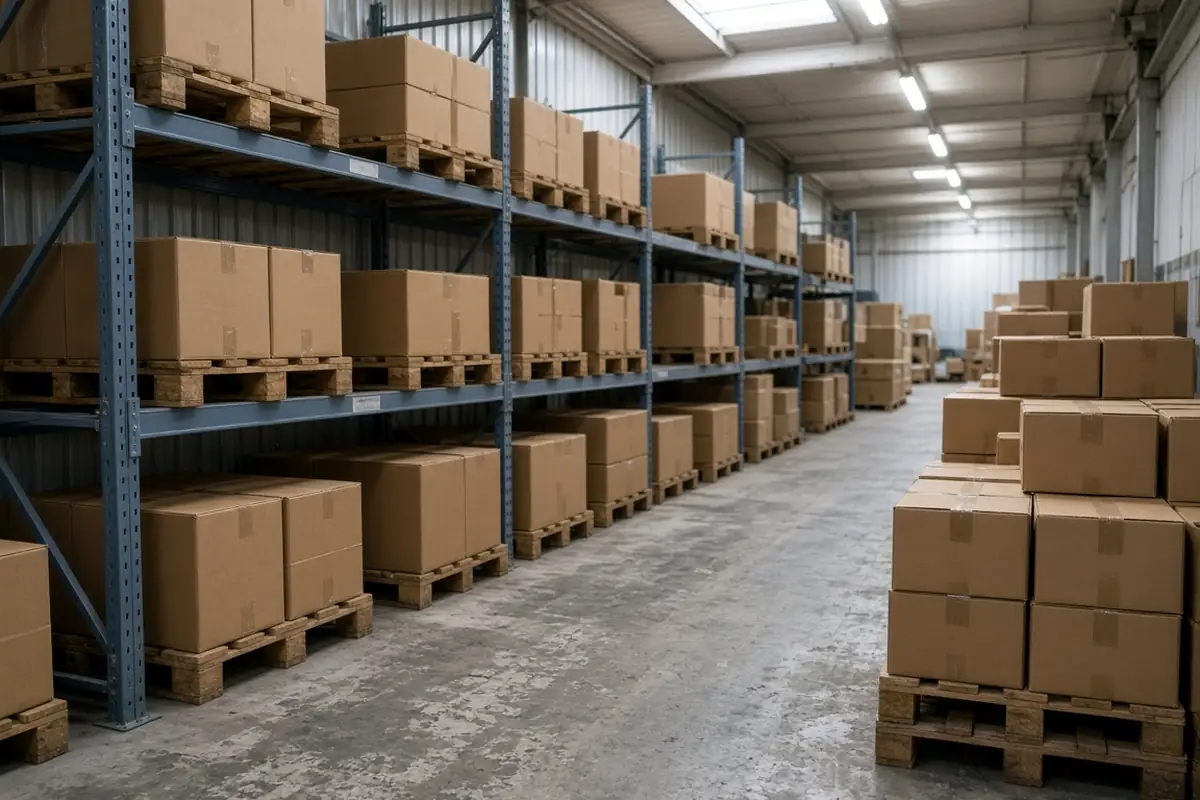
A shortage report that jumps from “the factory” to “the pharmacy” fails because the handoffs in between are different jobs. The cost of that shortcut is a fix aimed at transport when the block is quality, regulation or the pack itself.
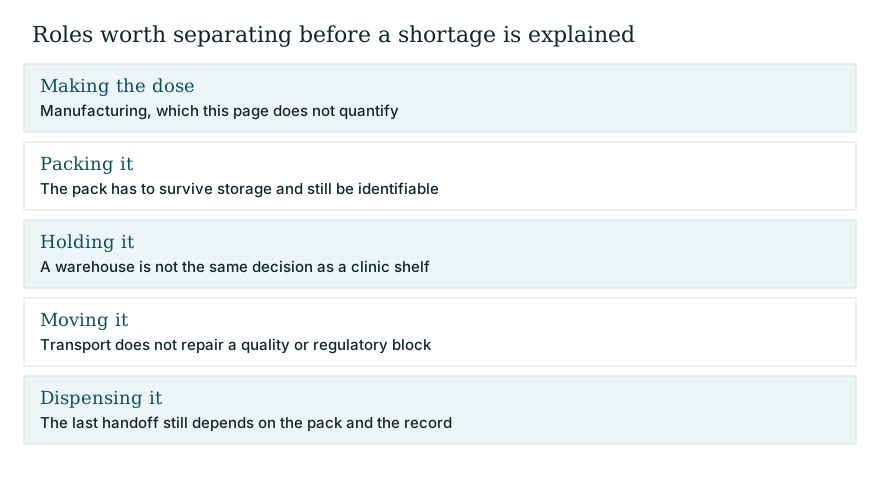
A medicine supply chain, on this page, is the sequence of roles that make a dose, pack it, hold it, move it and dispense it. The World Health Organization pages read for this article describe barriers. They do not publish a route map with volumes, and this page does not invent one.
Separate the roles before naming a cause
Making a dose, packing it, holding it in a warehouse, moving it, and dispensing it are not one activity. A warehouse that is full does not prove a clinic can identify the pack. A truck that arrives does not repair a product the medicines page would class as poor or unreliable quality.
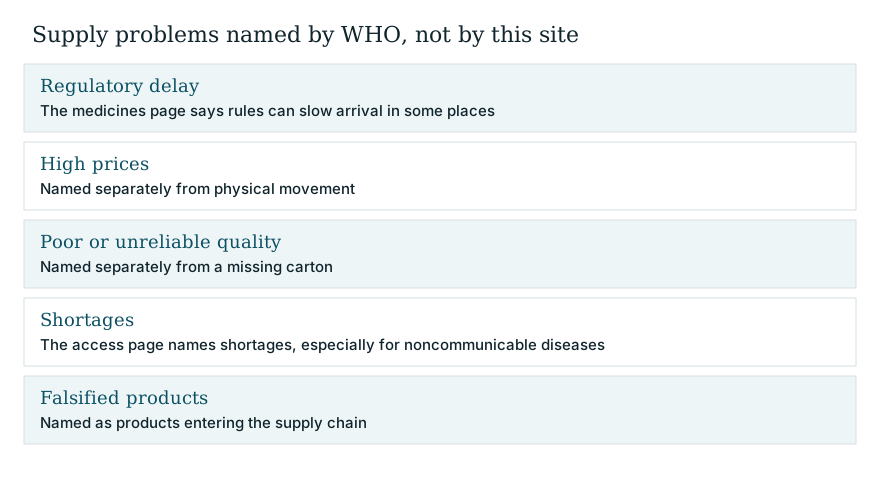
The WHO medicines topic page, read on 14 October 2026, says reliable supply is hampered by regulatory issues that can delay products, by high prices, by misuse, and by poor or unreliable quality. The access page adds shortages of essential medicines, especially for noncommunicable diseases, and substandard or falsified products entering supply chains.
What this page refuses to fill in
No tonne, no lead time and no market share is stated, because those figures were not on the pages read for this article. Packaging is one role in the sequence, not the explanation of every gap. Packaging and medicine availability keeps that boundary. Access to medicines keeps the coverage and hardship figures.
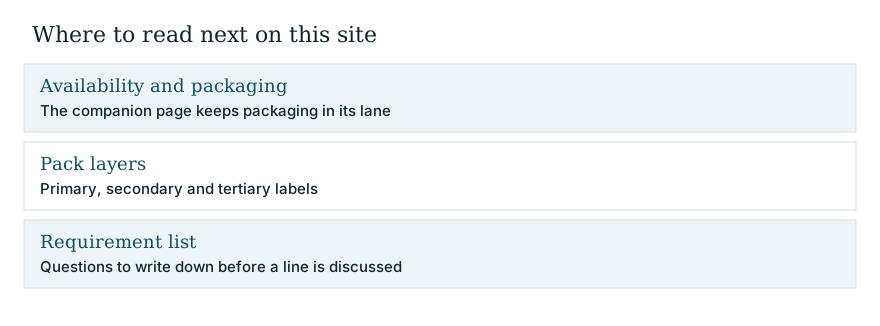
The supply chain section holds these two pages. Equipment speeds are not part of this description.
How this page was put together
Role boundaries are an editorial split so the WHO barriers are not flattened into “logistics”. The barrier list is from the WHO medicines and access pages read on 14 October 2026.